Guide

Preparing artwork for a taxi campaign

Taxi artwork is prepared to a vehicle-specific specification, then proofed, printed and installed as part of the campaign. This is how it moves from your brief to the street, and what to plan for.
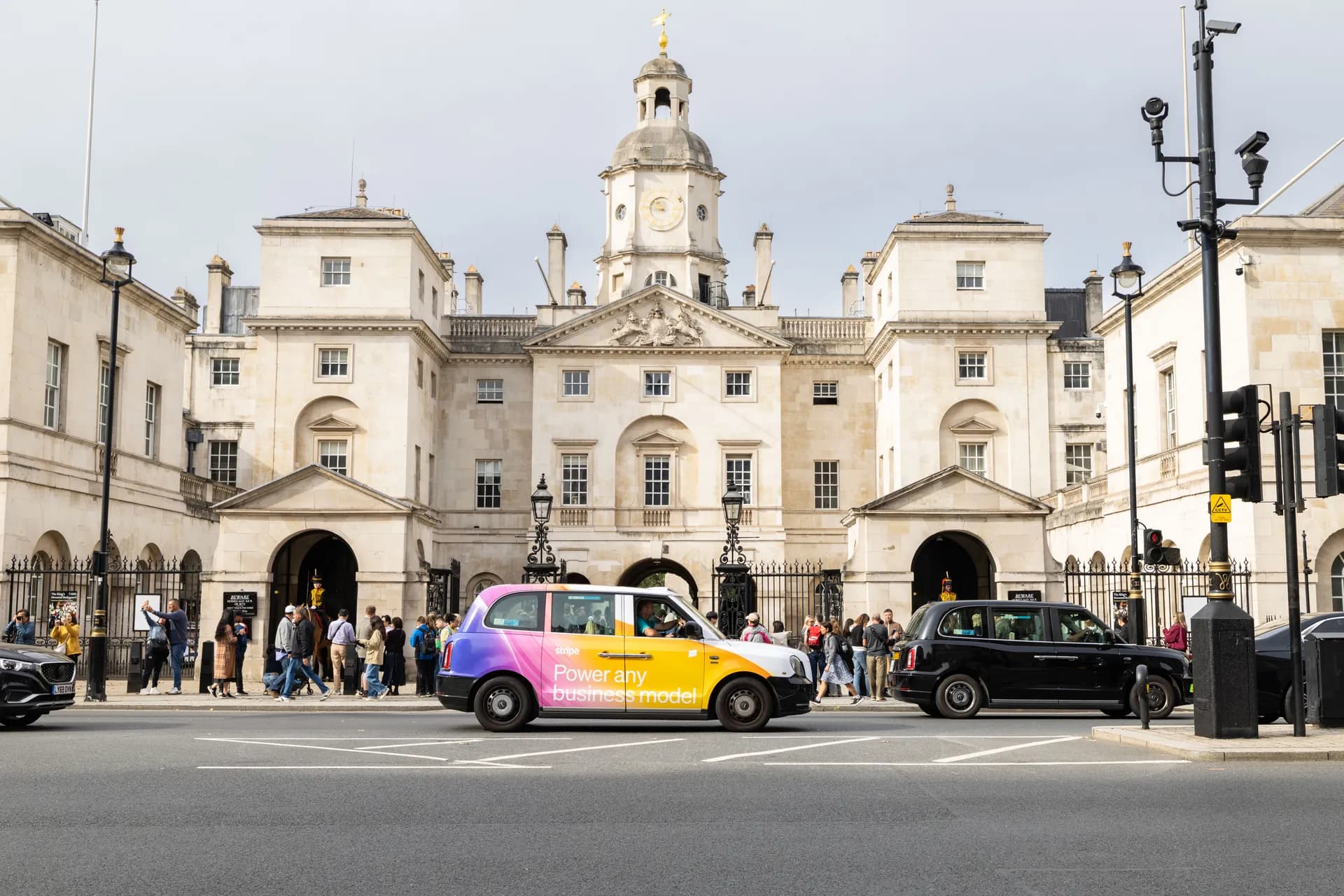
Taxi in pink, purple and yellow Stripe livery passing a historic building

When artwork comes in.

You don’t need finished artwork to brief us, and the website does not ask for files. Artwork and documents are requested in the follow-up conversation.

Specifications for your vehicle.

Artwork specifications are vehicle-specific, so the one you work to is supplied for the vehicle in your campaign, and we coordinate the artwork templates.

We don’t publish generic dimensions here, because the specification you work to is the one supplied for your campaign.

Exterior and tip seats.

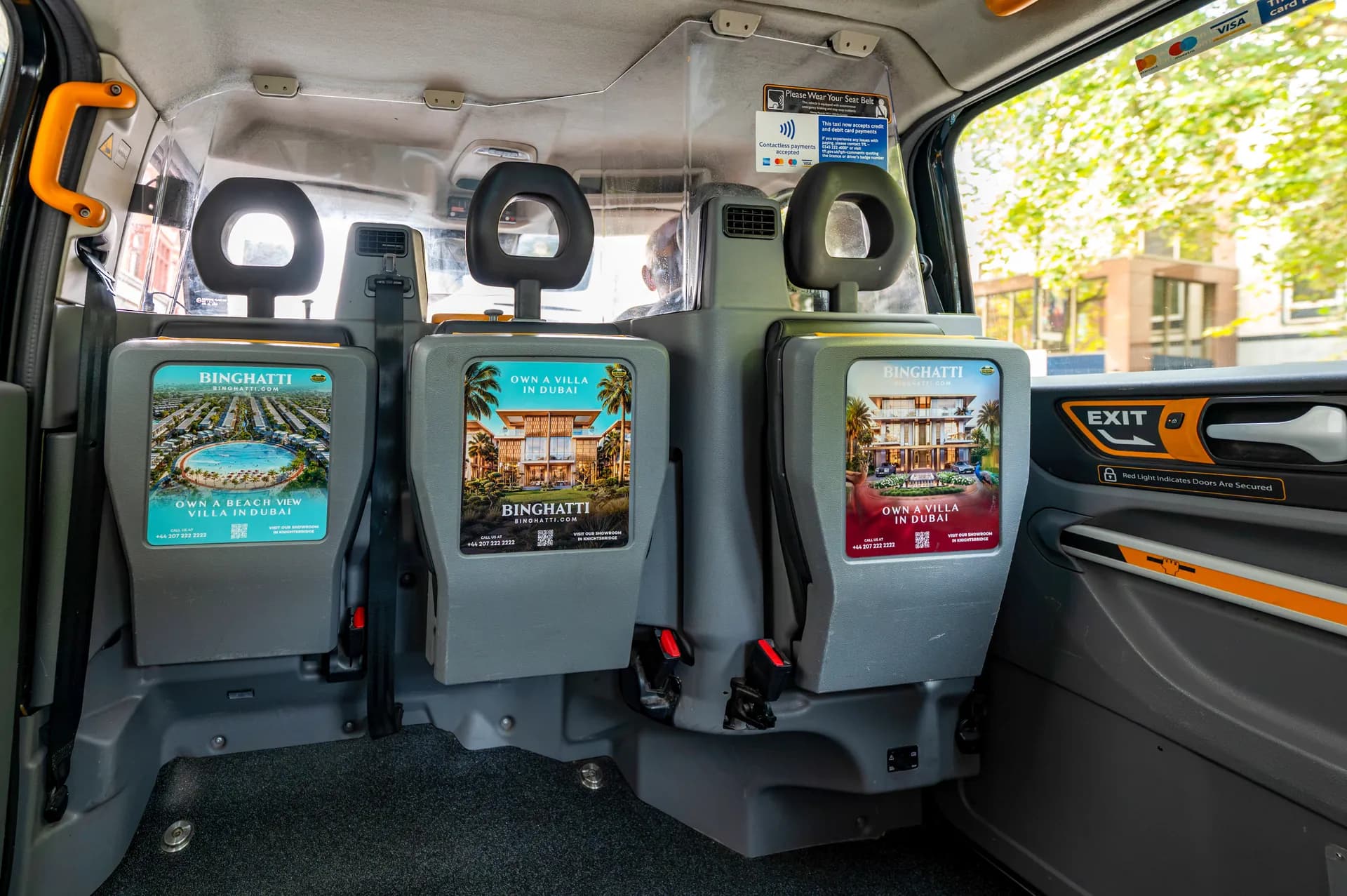
Every standard campaign has two kinds of surface. Outside, the full wrap covers the main exterior body of the taxi, or Supersides run as large panels on both sides. Inside, advertising runs on the fold-down tip seats, included with standard Full Wrap and Supersides campaigns at no additional media charge.

Tip-seat creative is part of the campaign’s artwork, so plan it at the same time as the exterior. More on tip-seat advertising.

Three Binghatti adverts on the rear-facing tip seats inside a taxi

Proofs before print.

Proofs are part of production: artwork is checked before anything is printed. Decide early who on your side signs off, and allow for the rounds of changes your organisation usually needs.

Allow time for artwork.

Artwork has to be final before printing can start, so it sits directly between booking and launch. If the creative still has to be made, or several people need to approve it, build that into the timing from the start. Taxi advertising lead times covers the stages in order.

Have creative ready to go?

Tell us about it in your brief. We respond within one working day and talk through artwork in the follow-up conversation.

Plan a Campaign